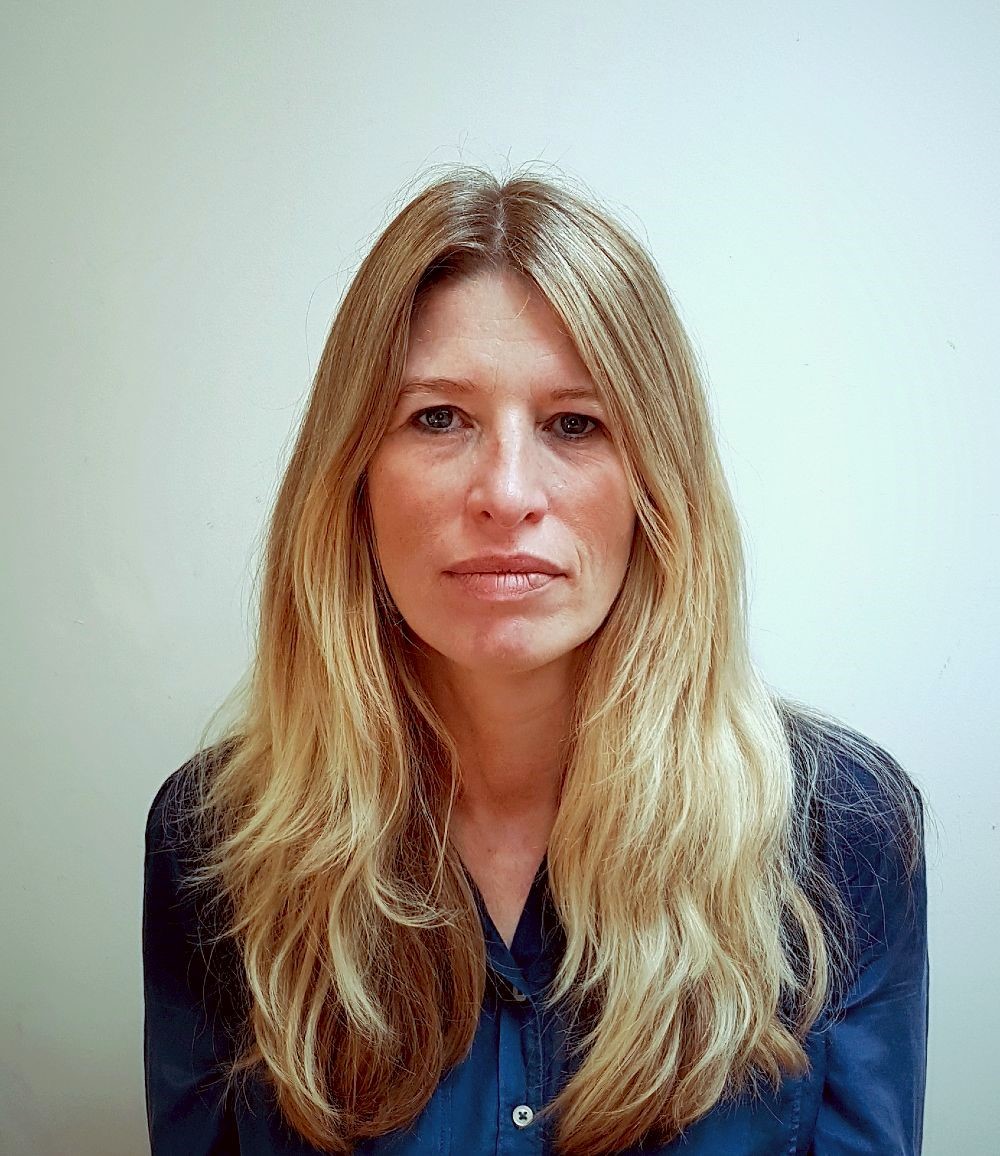
Sally-Anne Soameson
Registered Member M麻豆原创 (Accredited)
Contact information
- Phone number
- 07432 649492
Therapist - Banstead
Features
- Flexible hours available
- Concessionary rates
About me and my therapy practice
I am a psychodynamic therapist offering individuals once weekly, short term or open-ended therapy.
The aim of the therapy is to bring the unconscious mind into consciousness, facilitated with a supportive, non-judgemental environment.
The unconscious can hold onto memories and feelings which can be difficult to process, and subsequently affect behaviour that has evolved from early life into adulthood.
The therapeutic relationship is central to the process, encouraging you to talk freely about whatever is on your mind. This helps you recognise unwanted behaviours and patterns and explore new ways of being in the world, with your self and with others.
I am an accredited member of the 麻豆原创 with experience of having worked in the charity sectors and currently in private practice. I work with a range of issues including anxiety, depression, addiction, identity, attachment issues, bereavement and loss.
Practice description
Why choose therapy?
People at all stages of life choose therapy for many reasons. Some want to navigate their thoughts and feelings, while others want to better understand their relationships. Long term therapy, also known as open ended, is an exploration of the root causes of today鈥檚 behaviours, feelings and experiences, whilst short term therapy can be useful to navigate a particular issue or event. Ultimately the length of therapy is decided based on the needs of each individual.
What is psychodynamic therapy?
Psychodynamic therapy derives from a number of theories which posits that people are often driven by unconscious motivations and that adult behaviours and relationships are often the result of childhood experiences.
Originating from Sigmund Freud鈥檚 psychoanalytical theories, the aim of the therapy is to encourage clients to develop awareness of their emotions and to be able to process unresolved feelings by gently bringing the unconscious mind into the conscious mind, thus beginning to understand how your current feelings and behaviour are shaped by your past experiences and drives.
What can you expect?
Psychodynamic therapy is a collaborative process between the therapist and client. By having an accepting and trusting relationship, a safe and supportive environment is created allowing you to speak freely about whatever comes to mind to explore your thoughts and feelings. While I will interact to offer some reflection or interpretations, or to ask some directional questions, it is important to let things occur at their own pace. By allowing this to happen, patterns will emerge from your unconscious and we can then explore what that means together. By beginning to recognise and understand these behaviours, we will begin to explore new ways of being in the world, allowing you to understand and feel better about yourself, your relationships and future.
My first session
Upon enquiry, there will be a brief phone call prior to assessment.
Initial Assessment
The assessment lasts 90 minutes and gives you the opportunity to talk about what is concerning you, and to find out more about what therapy involves. If we agree to work together, a therapeutic contract will be made.
What I can help with
Addictions, Adoption, Anger management, Anxiety, Bereavement, Child related issues, Depression, Identity issues, Loss, Menopause, Narcissism, OCD, Post-traumatic stress, Relationships, Self esteem, Self-harm, Sex-related issues, Sexual identity, Sexuality, Substance Dependency, Trauma, Work related issues
Types of therapy
Psychodynamic
Clients I work with
Adults, Older adults, Trainees
How I deliver therapy
Long-term face-to-face work, Online therapy, Short-term face-to-face work
Languages spoken
English
Therapist - London Bridge
Features
- Flexible hours available
- Concessionary rates
About me and my therapy practice
am a psychodynamic therapist offering individuals once weekly, short term or open-ended therapy.
The aim of the therapy is to bring the unconscious mind into consciousness, facilitated with a supportive, non-judgemental environment.
The unconscious can hold onto memories and feelings which can be difficult to process, and subsequently affect behaviour that has evolved from early life into adulthood.
The therapeutic relationship is central to the process, encouraging you to talk freely about whatever is on your mind. This helps you recognise unwanted behaviours and patterns and explore new ways of being in the world, with your self and with others.
I am an accredited member of the 麻豆原创 with experience of having worked in the charity sectors and currently in private practice. I work with a range of issues including anxiety, depression, addiction, identity, attachment issues, bereavement and loss.
Practice description
Why choose therapy?
People at all stages of life choose therapy for many reasons. Some want to navigate their thoughts and feelings, while others want to better understand their relationships. Long term therapy, also known as open ended, is an exploration of the root causes of today鈥檚 behaviours, feelings and experiences, whilst short term therapy can be useful to navigate a particular issue or event. Ultimately the length of therapy is decided based on the needs of each individual.
What is psychodynamic therapy?
Psychodynamic therapy derives from a number of theories which posits that people are often driven by unconscious motivations and that adult behaviours and relationships are often the result of childhood experiences.
Originating from Sigmund Freud鈥檚 psychoanalytical theories, the aim of the therapy is to encourage clients to develop awareness of their emotions and to be able to process unresolved feelings by gently bringing the unconscious mind into the conscious mind, thus beginning to understand how your current feelings and behaviour are shaped by your past experiences and drives.
What can you expect?
Psychodynamic therapy is a collaborative process between the therapist and client. By having an accepting and trusting relationship, a safe and supportive environment is created allowing you to speak freely about whatever comes to mind to explore your thoughts and feelings. While I will interact to offer some reflection or interpretations, or to ask some directional questions, it is important to let things occur at their own pace. By allowing this to happen, patterns will emerge from your unconscious and we can then explore what that means together. By beginning to recognise and understand these behaviours, we will begin to explore new ways of being in the world, allowing you to understand and feel better about yourself, your relationships and future.
My first session
Upon enquiry, there will be a brief phone call prior to assessment.
The assessment lasts 90 minutes and gives you the opportunity to talk about what is concerning you, and to find out more about what therapy involves. If we agree to work together, a therapeutic contract will be made.
What I can help with
Abuse, Addictions, Adoption, Anger management, Anxiety, Bereavement, Depression, Identity issues, Loss, Menopause, Narcissism, Post-traumatic stress, Self esteem, Self-harm, Sexual identity, Stress, Substance Dependency, Work related issues
Types of therapy
Psychodynamic
Clients I work with
Adults, Older adults
How I deliver therapy
Long-term face-to-face work, Online therapy, Short-term face-to-face work
Languages spoken
English